
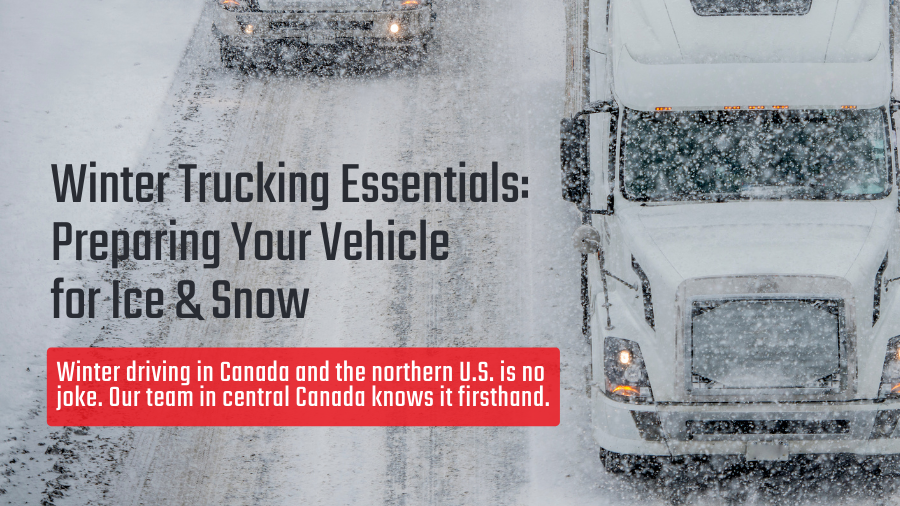
Winter across North America can be unforgiving – especially for drivers and fleet operators in the trucking industry who can’t afford downtime. Snow-covered highways, black ice, road salt, and freezing temperatures put serious stress on commercial trucks. Proper winter preparation isn’t just about compliance or comfort – it’s about safety, productivity, and protecting your cargo and investments.
Whether you’re running a single rig or managing an entire fleet, here’s a practical guide vetted by industry vets that will help you stay operational even when conditions are at their worst.
Why Winter Preparation Matters for Commercial Trucks
Historically, winter months (especially January through early spring) see a sharp increase in weather-related collisions and roadside breakdowns across Canada and the northern United States. Ice, snow, and corrosive road treatments don’t just affect tires and engines; they also attack your truck’s front-end protection, sensors, and structural components.
A winter-ready truck:
- Reduces accident risk
- Minimizes corrosion and damage
- Keeps drivers productive and confident
- Protects uptime and fleet profitability
Winter Trucking Essentials
So let’s get started –
1. Upgrade Front-End Protection with a Winter-Ready Bumper
Your bumper is your first line of defense against winter hazards.
Why Quality Bumpers Matter in Winter
Snowbanks, hidden ice chunks, wildlife, and minor collisions are far more common during winter driving. OEM bumpers often aren’t designed to handle more extreme conditions (why chance the damage?).
High-strength aluminum and steel bumpers, such as those manufactured by Ali Arc, provide:
- Increased impact resistance against ice buildup and debris
- Better protection for headlights, radiators, and sensors
- Additional defence against salt corrosion on your bulkhead and front-end components
- Mounting options for plows, winches, tow hooks, and auxiliary lighting
For fleets operating in Canada or northern U.S. regions, investing in winter-tested bumpers can significantly reduce repair costs and downtime.
💡 Did you know?
Ali Arc bumpers are manufactured in Winnipeg, Manitoba – at the heart of Canada. Winnipeg is widely recognized for its long, severed winters, with extreme temperatures, heavy snow, and persistent ice. Manitoba often experiences winter conditions for six months or more each year, making the city an ideal proving ground for winter-tested bumpers designed to perform in trying winter conditions in North America.
2. Tires: Your Most Critical Winter Contact Point
No winter prep checklist is complete without a look at your tires.
What to Check:
- Winter or all-weather tires rated for severe snow service (3PMSF symbol)
- Deep & aggressive tread depth (minimum 6/32” recommended for winter)
- Features like sipes for ice grip
- Proper tire pressure (cold weather causes pressure drops)
- Matching tires across axles for consistent traction
For fleets, standardized winter tire policies help maintain predictable handling and driver confidence across vehicles.
3. Braking Systems and Traction Control
Ice and snow expose weaknesses in braking systems fast.
Before winter hits full force:
- Inspect brake pads, rotors, and air lines
- Check ABS and traction control systems
- Ensure sensors are clean and unobstructed
- Flush and test brake fluids where applicable
A well-maintained braking system can mean the difference between a close call and a costly accident.
4. Lighting and Visibility Upgrades
Winter brings shorter days, snow glare, and poor visibility.
Must-Have Visibility Essentials for Commercial Drivers or Fleet Operators:
- LED headlights or auxiliary driving lights
- Heated mirrors and windshield wipers
- Functional marker and clearance lights
- Clean, protected camera and sensor systems
Bumpers like the ones manufactured by Ali Arc, include integrated mounting options for auxiliary lighting, allowing drivers to improve nighttime and storm visibility.
5. Battery, Fluids, and Cold-Weather Reliability
Cold temperatures are brutal on electrical systems.
Winter Reliability Checklist:
- Load-test batteries and replace weak units
- Use winter-grade engine oil
- Top up antifreeze, washer fluid, and DEF (if applicable)
- Inspect belts and hoses for cracking
Fleet operators should consider preventative winter inspections to avoid roadside failures during peak season.
6. Undercarriage and Corrosion Protection
Road salt is still one of the biggest long-term threats to all vehicles, not just commercial trucks.
To fight corrosion:
- Wash trucks frequently, including the undercarriage
- Apply rust inhibitors or protective coatings
- Choose bumpers and accessories with powder-coated or corrosion-resistant finishes
- Inspect mounting points and fasteners regularly
Canadian-built components are often designed with salt-heavy winter environments in mind (unfortunately) but this could be an advantage for you when you’re choosing aftermarket protection.
7. Driver Winter Safety Kits
Even the best-equipped truck needs a prepared driver.
Each vehicle should carry:
- Ice scraper and snow brush
- Emergency flares or reflective triangles
- Jumper cables or battery booster
- Warm clothing, gloves, and boots
- Flashlight and first-aid kit
For fleets, standardized safety kits improve compliance and driver preparedness.
Winter Readiness Is an Investment—Not an Expense
Winter trucking is demanding, but we know that time waits for no one. Having the right preparation in place keeps trucks on the road and drivers safe. Upgrading critical components – especially front-end protection like heavy-duty bumpers can dramatically reduce damage from winter hazards while extending vehicle life.
For commercial trucks and fleets operating across Canada and the U.S., winter isn’t optional, it’s very much a reality. Prepare for it properly, and your fleet will keep moving when others are parked.
Looking to Strengthen Your Fleet for Winter?
High-quality, Canadian-manufactured truck bumpers built for ice, snow, and salt can make all the difference this season. Explore what Ali Arc has to offer, or contact our Sales Team to see how easy it is to equip your fleet with top-tier protection.